
Sustainable farming represents more than an agricultural method—it embodies a comprehensive approach to food production that balances environmental stewardship, economic viability, and social responsibility.
The transition to sustainable practices involves navigating intricate systems of soil management, water conservation, integrated pest management, and renewable energy implementation.
Success requires assembling a team of qualified advisors who can provide expertise in critical areas that determine long-term viability. Build a reliable team right now by following this list of key advisors needed for a sustainable farm.
Strategic Financial Planning for Long-Term Success
Financial management forms the cornerstone of any successful sustainable farming operation. Unlike conventional farming, sustainable practices frequently require significant upfront investments in soil improvement, infrastructure upgrades, and certification processes before generating returns.
A qualified agricultural financial advisor helps farmers develop comprehensive business plans that account for these unique cash flow patterns.
Sustainable farming projects typically involve longer payback periods due to soil restoration timelines and organic certification requirements. Financial advisors specializing in agriculture understand these extended development cycles and can structure financing arrangements that accommodate multi-year transitions.
They provide crucial guidance on grant opportunities, tax incentives, and government programs specifically designed to support sustainable agriculture initiatives.
Managing Cash Flow & Risk Assessment
Cash flow management becomes particularly critical during the transition period when farms may experience temporary yield reductions while building soil health and establishing sustainable systems.
Agricultural financial advisors help farmers create detailed projections that account for these transitional challenges while identifying opportunities for diversified revenue streams through value-added products, agritourism, or direct marketing channels.
Risk assessment and insurance planning require specialized knowledge of sustainable farming vulnerabilities and protection options. Financial advisors help farmers evaluate crop insurance alternatives, liability coverage for direct sales operations, and emerging insurance products designed specifically for organic and sustainable producers.
Scientific Soil Management and Crop Optimization
Consulting with a land management group is necessary in agriculture because agronomy expertise provides the scientific foundation for sustainable farming success. Professional agronomists bring a deep understanding of soil biology, nutrient cycling, and plant-soil interactions that enable farmers to maximize productivity while minimizing environmental impact.
Their knowledge becomes essential for developing site-specific management plans that optimize crop performance within sustainable frameworks.
Crop rotation planning involves complex considerations of nutrient cycling, pest management, and market timing. Agronomy advisors help farmers design rotation schedules that maximize soil health benefits while maintaining economic viability.
They provide expertise on cover crop selection, companion planting strategies, and intercropping techniques that enhance system resilience.
Pest & Water Management
Integrated pest management (IPM) requires extensive knowledge of beneficial insect populations, biological control agents, and pest lifecycle timing. Agronomists help farmers develop comprehensive IPM programs that minimize pesticide use while maintaining effective pest control.
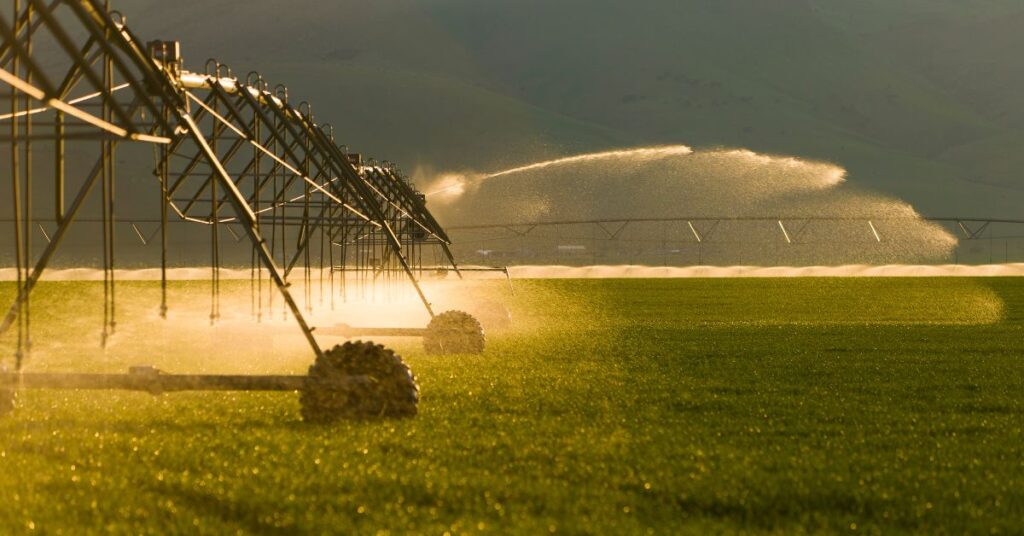
Water management strategies must balance conservation goals with crop production needs.
Farm managers provide guidance on irrigation efficiency, drainage management, and water quality protection measures that support both farm productivity and watershed health.
Building Markets and Brand Recognition
Marketing expertise enables sustainable farms to capture premium prices that justify their additional production costs.
Agricultural marketing specialists understand the unique challenges and opportunities facing sustainable producers in an increasingly competitive marketplace. Their guidance helps farmers develop compelling brand stories and connect with consumers who value environmental stewardship.
Direct marketing channels often provide the highest returns for sustainable producers but require specialized knowledge of food safety regulations, customer relationship management, and retail logistics.
Marketing advisors help farmers evaluate different sales channels including farmers markets, community-supported agriculture programs, restaurant sales, and online platforms.
The Importance of Brand Development
Brand development involves communicating the farm’s sustainability story in ways that resonate with target customers. Marketing specialists help farmers identify their unique value propositions and develop consistent messaging across all customer touchpoints.
This includes guidance on organic certification communication, environmental impact documentation, and social media strategy.
Identifying Your Audience
Market research becomes essential for identifying profitable crop selections and production volumes. Agricultural marketing advisors help farmers analyze local market conditions, seasonal demand patterns, and price trends that inform production planning decisions.
They provide insights into emerging market opportunities for sustainable products and help farmers position themselves to capitalize on growing consumer demand.
Customer education plays a crucial role in building loyalty and justifying premium pricing. Marketing specialists help farmers develop educational content that explains their sustainable practices and helps customers understand the value they receive from environmentally responsible production methods.
Embracing Technology for Efficiency and Sustainability
Technology integration offers sustainable farms powerful tools for improving efficiency, reducing environmental impact, and maintaining detailed records for certification compliance. Agricultural technology advisors help farmers evaluate and implement systems that align with their sustainability goals while providing practical operational benefits.
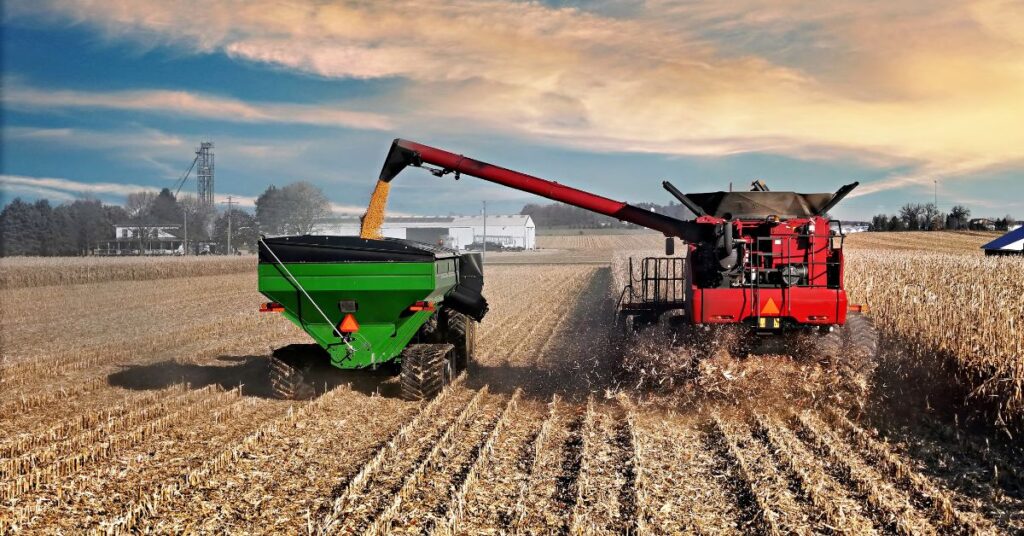
Precision agriculture technologies enable site-specific management that optimizes inputs and minimizes waste. Technology consultants help farmers assess GPS guidance systems, variable rate application equipment, and yield mapping tools that support sustainable goals.
These technologies allow farmers to apply exactly the right amount of nutrients and amendments in precisely the right locations.
Renewable energy systems offer opportunities for sustainable farms to reduce operating costs while minimizing carbon footprints. Technology advisors specializing in agricultural renewable energy help farmers assess solar installations and wind power options that align with their sustainability goals and financial objectives.
Navigating Complex Regulatory Requirements
One key advisor you need for a sustainable farm is a regulatory compliance expert.
Regulatory compliance represents a significant challenge for sustainable farms operating under multiple certification programs and environmental regulations. Agricultural compliance specialists provide essential guidance for navigating the complex web of organic standards, environmental regulations, and food safety requirements that govern sustainable farming operations.
Organic certification involves detailed documentation requirements and strict adherence to approved practices and inputs. Compliance advisors help farmers develop comprehensive organic system plans that meet certification standards while maintaining operational efficiency.
They provide ongoing support for record-keeping systems and annual inspection preparation.
Environmental regulations vary significantly by location and farm operations but may include water quality protection measures, wildlife habitat requirements, and pesticide application restrictions. Working with the right advisors helps farmers understand applicable requirements and develop compliant management practices that support both environmental goals and operational needs.
Building Your Advisory Team for Long-Term Success
The future of sustainable farming depends on the ability to integrate diverse expertise into cohesive management strategies that balance environmental stewardship with economic viability. Successful sustainable farms recognize that professional advisory relationships represent investments in long-term success rather than operational expenses.
Building an effective advisory team requires careful consideration of each advisor’s qualifications, experience with sustainable systems, and ability to work collaboratively with other team members.
The most valuable advisors understand how their specialty area connects with other aspects of farm operations and can provide integrated recommendations that support overall farm goals.
By building the right team of advisors and experts, your sustainable farm can achieve long-term success and adapt to the evolving demands of the industry. Act now to secure your farm’s future and lead the way in sustainable agriculture.